A hot-pink elephant and a watchful white rabbit painted on a brick wall, with rainbow light reflected on the pavement.

Your choices. Your wellbeing. Your next step. Everyone belongs here.

Pride, accessibility and alternate formats · Help review TRDP

Learn, share and contribute

Start where you are

What would help today?

Choose what fits. You can change direction anytime.

One useful step

Learn one thing. Take it with you.

Choose a question, a short guide or a lesson. No account or personal story required.

Learn the response sequence.

  1. 01Call
  2. 02Give naloxone
  3. 03Support breathing
  4. 04Repeat. Stay.

Memory aid. Follow the full instructions below. Motion is off.

Open the shareable safety card

Emergency action comes first

Someone may be overdosing. Act now.

Cannot wake them, or breathing is slow, weak or not normal? Call 911 now. Do not wait for every sign, a video, a buddy check-in or 4:19.

Suspect an opioid overdose?

Call. Give naloxone. Support breathing. Repeat. Stay.

  1. Call 911 now. Give your location and describe what you see.
  2. Give naloxone if available. Follow your kit instructions, even if you are unsure opioids are involved.
  3. Support breathing as directed. Follow the dispatcher for rescue breathing, CPR or an AED. Keep helping.
  4. Stay until help arrives. Stay even if they wake up. Follow the dispatcher.

Give another dose after 2–3 minutes if there is no response, following the kit and dispatcher. Naloxone can wear off; the overdose can return. Call 911 even without naloxone.

After care, legal protections and limits

Naloxone does not reverse every kind of poisoning. After immediate care is covered, warn others using verified advisories. Protect the person’s privacy.

In Canada, calling for emergency help during an overdose provides some legal protection from simple-possession charges and certain related breaches of conditions. It is not blanket immunity. Learn what the law covers.

Health Canada: opioid overdose response ↗

Possible opioid overdose

Act on what you see. You do not need to know what was taken.

  • Cannot be woken
  • Slow, weak, or no breathing
  • Choking, gurgling, or snoring sounds
  • Blue, purple, or grey lips or nails

General Canadian guidance—not a substitute for hands-on training. Health Canada: naloxone · Ottawa Public Health: response and breathing support. Emergency wording source-checked October 13, 2026; independent clinical review of TRDP wording remains pending.

Go to emergency steps
Back to “What brings you here?” ↑
Share and print free resourcesRead more

Free resources · pass them on

Share it. Print it. Put safety within reach.

Browse the resource library →

Our free TRDP safety resources are here to be shared and printed. Send a link to someone you care about, keep a paper copy with your kit, or share resources at a workplace or community space with permission. No account, donation or promise is required.

DOPE Journal

Colour Your Own Kind of Care. Ten colouring bullet journal pages for care, moods, harm reduction, support and small wins, plus front and back covers. Includes the TRDP logo.

Print on Letter at 100%, or choose Fit for A4.

Download the free DOPE Journal (12-page PDF)

Emergency response card

Call. Give. Support. Stay. Warn. Open the card to share or print the response steps.

Open the TRDP safety card

4:19 preparation checklist

A reminder to pause, connect and prepare before a possible risk. Use “Print my checklist” for a paper copy.

Open the 4:19 checklist

25 safety guides

Choose a topic, then use its share or print controls. Safety knowledge belongs with people who use substances and people who do not.

Browse the free guides

Workplace awareness presentation

Download the free slides and facilitator notes to support a conversation about overdose response.

Download the free presentation

Keep the safety instructions, source links, dates and TRDP credit intact when passing resources on. Check the current page before reprinting. Sharing is always your choice; respect people’s privacy.

Contribute zine artworkRead more

Call for artistic contributions · DOPE PRESS

Help illustrate our zine.

Artists, illustrators, photographers, comic makers and collage creators: contribute your perspective to the TRDP zine. We welcome art about dignity, belonging, community, everyday joy and our shared message: Safety Is for Everyone. Emerging artists and people with lived or living experience are welcome. Disabled and 2SLGBTQ+ artists are warmly invited, including work celebrating Disability Pride and 2SLGBTQ+ Pride. No personal disclosure is required.

Full credit given for every published contribution. Choose the name or pseudonym you want us to use, and include a portfolio or social link if you would like it credited. You keep ownership of your work; publication permission, any edits and your credit will be agreed by email before we publish it.

Email an artwork preview, portfolio link or idea to therealdopeproject@gmail.com with the subject “TRDP Zine Art.” Include a brief description and how you would like to be credited. Send original work you have permission to share, and get consent before including identifiable people or their stories.

Email your zine artwork or idea
About TRDPRead more

About The Real DOPE Project

The Real DOPE Project (TRDP) is an independent Canadian harm-reduction education, research and design initiative rooted in Niagara, Ontario.

Our guiding principle is Safety Is for Everyone.

That includes people who use substances, people who don’t, families, neighbours, workplaces, people in recovery—and people who oppose drug use. You do not have to agree about drugs to care whether someone survives.

TRDP brings together public-health evidence, lived and living experience, accessible design and creative advocacy. We are developing practical education and tools to help people understand overdose prevention, prepare to respond, challenge stigma and advocate for accessible care.

We believe lifesaving information and human dignity should never depend on abstinence, someone’s circumstances or another person’s approval. Essential safety information stays free.

TRDP is a developing initiative. This website provides general education; it is not an emergency service or clinical provider.

Why safety is for everyoneRead more

Everyone has a place in this

Every life belongs in our safety plan.

Opioid overdose can happen with prescribed or unregulated drugs. Opioids can also be present in drugs someone did not expect to contain them. An overdose can slow or stop breathing. Read Health Canada’s explanation.

Families, friends, neighbours, people who use substances, people in recovery and people who oppose drug use can all learn to help.

TRDP’s position: lifesaving knowledge, emergency care and dignity should be available to everyone.

Pride, access and alternate formatsRead more

Disability Pride · 2SLGBTQ+ Pride · access

Your identity belongs. Your access matters.

Safety Is for Everyone includes disabled people and Two-Spirit, lesbian, gay, bisexual, transgender, queer and other sexual and gender diverse people. You belong here whether you use substances, do not use, are making changes or are supporting someone.

Disability Pride

Disability is part of human diversity. Visible or non-apparent, your disability does not reduce your worth or your right to make choices. TRDP welcomes disabled people’s knowledge, creativity and leadership.

People use different language for themselves. We respect your choice of identity-first or person-first language. You do not need to prove your disability or share a diagnosis to use these resources or report an access barrier.

2SLGBTQ+ Pride

Your sexuality, gender, chosen name and pronouns deserve respect. TRDP welcomes 2SLGBTQ+ people’s knowledge, creativity and leadership, and celebrates belonging and everyday joy.

Being 2SLGBTQ+ does not mean someone uses substances or is in crisis. You do not need to disclose your identity to read, share or print our resources.

People can belong to both communities and many others. We welcome your perspective without asking you to speak for everyone who shares an identity.

Choose a format that works for you

  • Web pages: read the text here, with structured headings and larger-text controls on the homepage.
  • Plain text (.txt): download the emergency response card or 4:19 checklist. Each of the 25 safety guides also has its own plain-text download.
  • Print or save as PDF: use a resource’s print button, then choose your printer or your browser’s Save as PDF option.
  • Another format: to request audio, Braille, Easy Read, a large-print file or another language, email therealdopeproject@gmail.com with the resource link and your preferred format. We will discuss what we can provide; you do not need to explain a diagnosis.

Help make access real

Use our larger-text and print controls, or share a link with someone who prefers a different way to read. If a page, control or resource is hard to use, tell us what would help. Include the page link and your preferred format if you can; personal health details are not needed.

We are working toward better accessibility. A full human accessibility review remains pending; we do not claim the site meets every access need.

Report an access barrier

Email therealdopeproject@gmail.com, or use the optional website feedback form. Want to contribute creatively? Help illustrate our zine; every published contribution receives full credit under your chosen name.

Choices, substances and supporting someoneOpen

Learn before a crisis

You do not have to hit rock bottom.

You can ask for information or support before, during or after use, and in treatment or recovery. You decide which conversation is useful.

For non-medical substance use, not using is the safest option. That is not advice to stop prescribed medication or abruptly stop when dependence is present. Read the withdrawal warning below.

I use, or I have questions about substances

You deserve practical support, whether or not you want to stop. Ask about dependence, changing tolerance, reducing use or taking a break—without promising abstinence.

You can start with: “I want help reducing risk. What support can I use now?” Explore Canadian substance-use support options. Entry requirements vary.

StreetWorks in Niagara offers harm-reduction supplies, navigation and naloxone information. For alcohol, cannabis, nicotine, opioids or prescribed-medication questions, explore Health Canada’s substance information and ask a pharmacist or clinician about your situation. Naloxone reverses opioid effects; it is not an antidote for every substance.

I don’t use, or I want to say no

You can say, “No thanks. I’m not using.” You do not owe an explanation. Ask for plans that include you, arrange a way home and leave if you want to. You can seek support for stress, loneliness or pressure without substance use being part of your story.

Kids Help Phone offers youth counselling at 1-800-668-6868. ConnexOntario helps find mental-health support at 1-866-531-2600. Helping someone else remains your choice. Everyone can learn overdose response and naloxone use.

Help without judgment. A buddy is not a clinician, a guarantee of safety or a replacement for emergency help.

I’m supporting someone

You deserve support too. ConnexOntario can help families find services; Moms Stop The Harm links to Holding Hope family-support groups. Start with “What would help you right now?” Listen without demanding a confession, diagnosis or commitment to treatment.

  • Offer choices: a kit, a ride, company or help contacting a service. Ask permission before sharing personal information.
  • Protect dignity. Avoid blame, threats and shame. Support is not control; respect choices and your own boundaries.
  • Learn emergency response together. In an emergency, call 911—do not wait for a conversation.

Explore the existing teen learning companion. It is a teaching adaptation, not a validated course. Do not assume a young person uses substances.

Different words, different meanings
Tolerance
The body responds less to the same amount after repeated use. It can change; it is not protection from overdose.
Physical dependence
The body has adapted to a substance, so stopping or reducing it may cause withdrawal. It can happen with prescribed medication.
Withdrawal
Symptoms after reducing or stopping a substance when the body has become dependent.
Poisoning or overdose
A harmful or toxic substance exposure. It can be an emergency, whether or not a person has dependence or a diagnosis.
Substance use disorder
A health condition involving a pattern of use that causes significant problems. Tolerance or physical dependence alone does not establish this diagnosis.

Health Canada explains these substance-use terms.

Choose a safety roleRead more

Choose a safety role

Be the person who stays ready.

Agree on the role before an outing. Take turns on different outings—not after someone has already used an impairing substance.

01

Say no if that is your choice

You never owe anyone a yes. You can join the night, change your mind, or leave without explaining yourself.

02

Take a turn as check-in buddy

Across different outings, rotate who stays substance-free, keeps a phone and naloxone accessible, knows the location, checks that people can be woken and are breathing normally, and calls 911 if something is wrong.

03

Choose a substance-free designated driver

Choose before the outing: no alcohol, cannabis or other impairing substances, and no driving while impaired. Do not stop prescribed medication to take this role. Ask a pharmacist about driving effects; arrange another driver or safe ride if needed.

Read Canadian impaired-driving guidance.

A buddy lowers isolation; they do not make substance use safe. Use supervised services where available. If someone cannot be woken or is not breathing normally, call 911 immediately—do not wait for a scheduled check-in.

Prepare before an emergency

Ask your pharmacist for a naloxone kit.

Naloxone temporarily reverses an opioid overdose. Ask for a demonstration when you get your kit.

Emergency now? Call 911 and follow the response steps. Do not travel to find a kit during an emergency.

Start with your pharmacist

Ask: “Do you have a free take-home naloxone kit, and can you show me how to use it?” Call ahead to check stock.

In Ontario, participating pharmacies provide free kits without a prescription or Ontario health card.

No kit available—or no regular pharmacist?

Use Ontario’s directory to find another pharmacy or community provider. Check hours and call ahead to confirm stock.

Find another kit provider ↗

Outside Ontario: find your province or territory.

Niagara naloxone information

Learn your kit. Keep it ready.

A pharmacist or harm-reduction service can demonstrate your kit. Check its expiry and storage instructions.

Watch the Canadian demonstration ↗

Video and transcript. Emergency now? Do not watch a training video first.

Free workplace awareness course: Learn overdose emergency response with TRDP.

Free illustrated courseRead more

Free illustrated public course

Understand substance use. Support people.

The public deserves to know, too. Seven self-guided modules on substance use, dependence, stigma, choices, safety and evidence—with everyday scenarios and answer explanations.

Illustrated community members sharing a conversation with colourful collage accents.

You do not need a diagnosis, personal story or promise to stop. People who use occasionally, use for enjoyment, do not use or support someone all belong in the conversation.

Open the free course

Public education, not professional certification or medical advice. Version 1.1 learning draft · October 7, 2026. Independent review and effectiveness have not been established.

Free workplace trainingRead more

Free workplace awareness course

Overdose emergency: naloxone in the workplace

A 25-minute session with 16 slides, facilitator notes, nasal naloxone instructions, a practice scenario and a quick quiz.

Call. Give. Support. Stay. Warn.

Call 911. Give naloxone if available. Support breathing as directed. Stay until emergency services take over.

WARN (OTHERS): After immediate care is covered, share dated advisories or observed concerns. Say what is confirmed and what is uncertain. Protect people’s privacy.

It could save somebody’s life.

Download the free training presentation

Canadian awareness education. This session does not provide first aid certification or establish workplace training compliance. Follow the exact kit instructions and local emergency plan.

Daily question, knowledge quiz and seven-day learningOpen

One question each day

Daily Dope Safety question

Learn one thing that could help someone. A new question appears each day at midnight, Niagara time.

Loading today’s question…

An emergency happening now? Go to the response steps and call 911. The quiz is for learning before an emergency.

Your initials. Your knowledge check.

DOPE Smart Quiz

Seven questions about overdose response and naloxone. Get your score and learn the reasons behind each answer.

Use 1–4 letters. Your initials and score stay private to this browser’s saved result. No public leaderboard.

This quiz is awareness education, not first aid certification or proof that someone can manage an emergency. Need help now? Call 911 and use the response steps.

A little learning each day

Seven-day Dope Safety challenge

Read a short lesson and answer one question each day. Miss a day? Your progress stays. Return whenever you can.

Loading your progress…

If someone cannot wake up or is not breathing normally, call 911 now. Emergency response steps.

4:19 preparation checklist · before an emergencyOpen

The 4:19 Safety Check

One minute. One check. One more chance to reduce harm.

4:19 is one intentional minute before 4:20, or before another moment of increased substance-related risk. Pause. Connect. Prepare. Consider what has changed. This TRDP check is designed to support safer decisions; it cannot make substance use risk-free or guarantee survival.

Preparation, before an emergency. The 4:19 Safety Check is for preparation before a possible risk. If an overdose may be happening, call 911 immediately. Do not delay emergency action to finish the check. Go to emergency response.

Choose the preparation steps that fit your plans.

Tick what you have arranged. Leave anything else unticked as a reminder. There is no score or safety rating.

Read the tolerance and withdrawal information
Review the preparation boundaries
Review my plan
Explore support options
Contact NORS
Find naloxone and training
Read emergency response steps
Read about planning
Plan a safe ride
Read safe-storage guidance
Read the tolerance warning
Read drug-checking limits
Read equipment guidance
Plan safe disposal
Read the WARN reminder

Never give food or drink to someone drowsy or unresponsive. Do not stop prescribed medicines to drive or act as a buddy; ask a pharmacist about impairment and interactions.

Your selections are not sent to TRDP or saved by this checklist. Reloading resets them. This website does not monitor you, send alerts or summon help.

Download the checklist as plain text (.txt). To save a PDF, use “Print my checklist” and choose your browser’s Save as PDF option.

Paper copy from therealdopeproject.com · Educational prototype; effectiveness has not been established. Selections are preparation reminders, not a safety assessment.

WARN (OTHERS)

After immediate care is covered, share dated advisories or observed concerns. Say what is confirmed and what is uncertain. Protect people’s privacy.

Do not delay emergency care, name people or share identifying photos. Warn before, during or after a risk when appropriate; while responding to an emergency, care comes first.

01

Pause

Before possible recreational substance use, notice changes in health, tolerance, supply, setting, or who is nearby. Read the withdrawal caution below before stopping or reducing use.

02

Connect

If possible, do not use alone. Use a supervised service where available, or arrange for someone you trust to check in and call for help.

03

Prepare

Keep naloxone within reach. Tell others where it is, keep a phone nearby, and make sure someone knows the location.

04

Reduce risk

Mixing substances and changes in tolerance or supply can raise overdose risk. Stop and seek help when effects are unexpected.

05

WARN (OTHERS)

Share dated warnings or observed concerns, label uncertainty and protect privacy. Emergency care comes first.

Updated October 3, 2026. The linked public-health sources support the safety information; the TRDP checklist itself has not been clinically validated. Independent clinical and lived-experience review remains pending. Report unclear wording or a broken link.

Support, recovery and everyday needsOpen

Support for your next step.

TRDP provides education and links to support. The services listed are run by their own providers. TRDP does not provide emergency response or clinical care. Check access, eligibility and availability with the provider.

Choose a way to reach someone.

These links open services outside TRDP. Their own privacy policies apply. For an emergency, call 911; do not wait for a reply or finish a checklist.

Mental-health or substance-use service navigation

Ontario · ConnexOntario · Free, confidential navigation, available 24/7. You can ask for yourself or someone else.

Call 1-866-531-2600

Find text, live chat and email options

Helps find services; it does not provide clinical treatment. Confirm eligibility and availability with the service you are referred to.

Food, housing, income or transportation

Ontario · 211 · Find community and social services.

Call 211

Search Ontario services online

Ask about language and accessibility needs. Listings do not guarantee a space, funding or immediate access.

Peer-supported overdose response

Canada · National Overdose Response Service (NORS) · The provider describes 24/7 remote support for people using substances.

Explore NORS and contact options

Arrange support before use. Ask how its response plan works and what happens if the connection fails. Remote support cannot guarantee rescue or make substance use safe.

Provider pages checked October 2, 2026: ConnexOntario, 211 Ontario and NORS. These checks are not confirmation of individual eligibility or live service availability. Tell us if a link or contact option does not work.

I want to reduce, stop, or explore recovery

Your goals belong in the conversation. You can ask about reducing use, stopping, medication, treatment or support for recovery. Medication-supported recovery belongs here.

Before changing use: suddenly stopping or sharply reducing alcohol or benzodiazepines can cause dangerous withdrawal when physical dependence is present. Ask a clinician for a plan. Do not stop prescribed medication without advice from your prescriber.

I’m facing a change or coming home

Leaving hospital, treatment or custody? Moving or returning after time away? A small plan can help you identify what you need next.

  • Keep care contacts and your next appointment accessible.
  • Make a medication and refill plan with your care team.
  • Plan somewhere to stay, food, transport and a trusted contact.
  • Include naloxone and response preparation where relevant. Read about changing opioid tolerance and withdrawal.

Ontario 211 (call 211) helps find community services. ConnexOntario helps navigate mental-health and substance-use services. This checklist does not arrange discharge or guarantee a service.

I’m grieving or having a difficult time

You deserve support for yourself as well as for someone you care about. Choose the kind of conversation you need.

Across ages and circumstances.

Young people and families

Choose a trusted adult and a backup, practise asking for help and plan a safe ride. Adults can keep medicines safely stored and use Ontario Poison Centre’s family information for household prevention.

Explore TRDP’s teen lesson on choices, refusal and getting help. It is a teaching prototype; effectiveness has not been established.

Kids Help Phone counselling: 1-800-668-6868, 24/7. For a trained volunteer crisis responder, text CONNECT to 686868, 24/7. Text support is confidential, not anonymous.

Medication questions, care and belonging

Older adults, caregivers and anyone with medication questions can prepare a list for a pharmacist or prescriber: what each medicine is for, side effects, interactions and refill needs. A medication question is not automatically a substance-use concern.

Use 211 for community and caregiver support. Ask navigators about language, accessibility and services that fit your identity and preferences, including 2SLGBTQ+ and newcomer support. You do not need to disclose personal details to TRDP or choose an identity category to use this guide.

Make readiness a shared expectation

Demand access.
Help make it happen.

TRDP calls for easy-to-reach naloxone, understandable training and care without stigma. People should be able to prepare before an emergency.

Ask your workplace, venue or community group:

  • Where is the naloxone, and can people reach it?
  • Who knows how to respond and call for help?
  • Who checks kits and replaces used or expired supplies?
  • How can people who use substances help shape the plan?

Choose one barrier and one achievable improvement: clearer signs, reachable kits, accessible training or a better referral. Download TRDP’s free workplace awareness presentation. These are TRDP’s advocacy requests, not a statement of legal requirements or measured results.

Useful information. Honest limits.

TRDP is in development. These pathways reuse existing education and link to public guidance; they are not a clinically validated program. Their impact has not been measured.

September 26 source checks cover national surveillance, overdose response, naloxone, tolerance, withdrawal and the linked support providers’ published information. These are not real-time stock, eligibility or access checks. The Ontario kit map could not be directly retrieved; kit access was corroborated by official search results and local providers. Independent clinical, lived/living-experience and human accessibility reviews remain pending. Earlier records retain their individual review dates.

Questions or corrections: therealdopeproject@gmail.com

Contact TRDP

For project questions, collaboration inquiries, feedback, accessibility concerns or corrections:

Email: therealdopeproject@gmail.com

Based in: Thorold, Niagara Region, Ontario, Canada

Please avoid sending private health information. This email is not an emergency response service. In an emergency, call 911.

Explore earlier TRDP ideas and project background

These materials remain in development. Their individual review dates still apply; this page update does not mean all earlier content has been verified again.

Count accurately. Remember fully.

Every number belonged to a life.

Official surveillance documents the scale of harm. It cannot hold the full weight of grief, disability, survival, or futures interrupted. We honour people by keeping both the numbers and their limits visible.

Canada · January 2016–March 2026

57,509

apparent opioid toxicity deaths reported

The latest four quarters are preliminary and may change. From 2025, the national total includes deaths related to all unregulated drugs in British Columbia and drug- or opioid-related intoxication in Quebec. Definitions and reporting coverage affect comparisons.

Health Infobase · updated September 22, 2026

Niagara · January–July 2026

Verification pending

EMS responses to suspected opioid overdoses

See Niagara Region’s dashboard for reported EMS responses to suspected opioid overdoses. TRDP’s earlier January–July 2026 total is awaiting independent verification against the underlying monthly records.

EMS responses are not confirmed overdoses, unique people, or deaths. Dashboard figures may be revised. No independently verified total is presented here.

Read the dated correctionNiagara Region dashboard
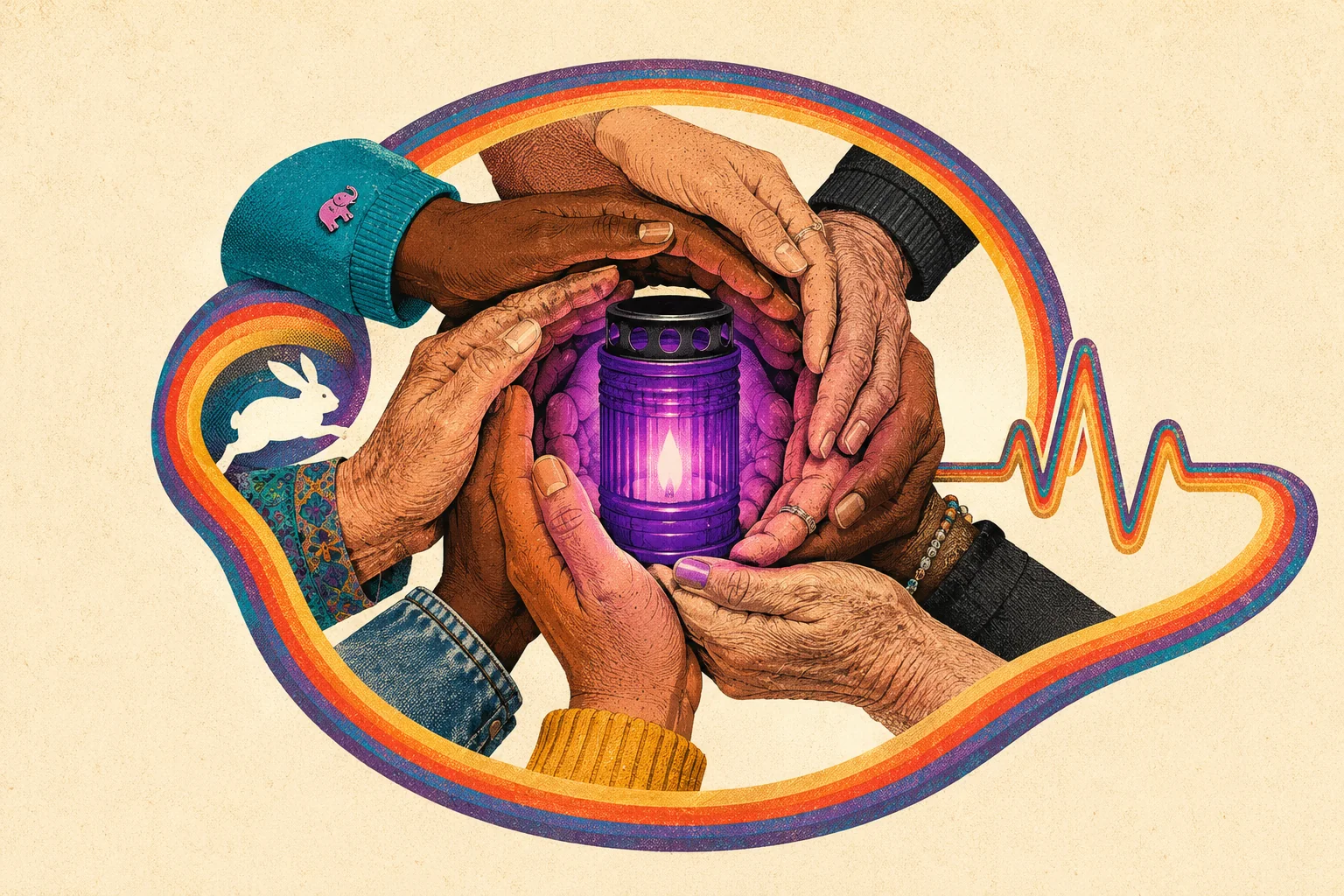
Diverse hands protect a glowing purple memorial light while a retro rainbow line becomes a heartbeat
TRDP original editorial artwork · remembrance held by community

More than a number

A life is bigger than its final moment.

Parents. Children. Partners. Friends. Workers. Creators. Neighbours. People with unfinished futures. A record of death cannot tell the whole story of a person’s humour, work, relationships, or survival. Their lives mattered before the emergency. They matter in how we respond now.

  1. Remember

    Remember the person, their relationships, and their life beyond a substance or diagnosis.

  2. Connect

    Bring safety information and human support within reach before a crisis.

  3. Act

    Carry naloxone. Call for help. Stay. Learn and share what you know. Challenge dehumanizing language.

Niagara · Every day

Remembrance needs a tomorrow.

August 31 is International Overdose Awareness Day. TRDP’s call extends across the year: keep naloxone close, make services easier to reach, listen to people closest to risk, and keep preventable harm on the public agenda.

Official local information

Niagara Region

Overdose prevention and local resources

Start with Niagara Region’s overdose-prevention information and local support links. Confirm services and availability directly before travelling; a familiar location or an old listing may no longer reflect current access.

Open Niagara Region resources

Community connection

Positive Living Niagara

StreetWorks harm-reduction support across Niagara

StreetWorks offers harm-reduction supplies, system navigation, education, and mobile support. Its published information also describes naloxone training and free kits. Contact the team to confirm the service, location, and schedule you need.

Open StreetWorks support information

No one outside the circle

Everyone means everyone.

TRDP advocates for safety that reaches people across diagnoses, ages, incomes, housing situations, and legal circumstances. Treatment entry, abstinence, or somebody else’s judgment of “readiness” should never be the price of dignity or emergency help.

  • People who use substances
  • People who do not
  • Children and youth
  • Parents and caregivers
  • Older adults
  • Neighbours and friends
  • Workers and professionals
  • People in treatment or recovery
  • People who are hospitalized, incarcerated, or excluded

Precision is rebellion

Name the condition. Keep the person.

People use prescribed, regulated, and unregulated substances across communities. Use precise language: a substance, a pattern of use, a diagnosis, and an emergency are different things. A label should help people understand what is happening, not erase who someone is.

01

Use is not a diagnosis

Not every person who uses a substance has a substance use disorder. Use, intoxication, dependence, withdrawal, poisoning and substance use disorder are not interchangeable terms.

02

A health condition is not a verdict

Substance use disorder is a treatable health condition. A diagnosis describes a health need; it does not define a person’s worth, character, or future.

03

Recovery has more than one doorway

Recovery is personally defined. It may include abstinence, medication, reduced use, safer practices, stability, connection, improved health, or a changed relationship with substances.

04

Safety is not approval

Avoiding recreational substance use avoids exposure to its risks. If you may be physically dependent—especially on alcohol or benzodiazepines—get medical advice before suddenly stopping or sharply reducing use; withdrawal can be dangerous. Do not stop prescribed medication without advice from your prescriber. If use happens anyway, accurate information, emergency care, pain care, dignity, and protection from preventable harm still belong to that person.

Clear answers

Know who is speaking.

Can TRDP provide emergency or clinical care?

TRDP is not an emergency service or clinical provider. This website offers general education. If someone cannot be woken or is not breathing normally, call 911 and follow the dispatcher’s directions.

Are the TRDP frameworks clinically validated?

DOPE, SAFE, WATER and the 4:19 Safety Check are TRDP working frameworks and educational tools. The emergency actions draw on public-health guidance. This does not establish the effectiveness of the branded tools as a whole. Clinical validation and effectiveness of these tools have not been established.

Is the safety information free?

The safety information on this website is free to read and share. Future collaboration and licensing ideas are in development; they are not a promise of an available service.

What can I do if I am not using?

You can say no without explaining, set boundaries, arrange a way home and seek support for your own wellbeing. Helping others is optional. Everyone can learn overdose response and naloxone use. A substance-free buddy or designated driver can help others but cannot guarantee safety or replace emergency care.

Do I have to hit rock bottom before learning or changing something?

No. People who use and people who do not can learn about tolerance, dependence, withdrawal, poisoning and emergency response. A person can ask about reducing use, taking a break, treatment or other support at any time. Tolerance may fall after a break, which can raise overdose risk if opioids are resumed. Sudden alcohol or benzodiazepine reduction can be dangerous when dependence is present, so seek medical advice.

Codes for a safer future

Three frameworks. One human standard.

TRDP created these working frameworks to organize a humane response. DOPE describes how we meet people. SAFE names the essentials we advocate for. WATER guides the next step through a system. They express an approach to practise and evaluate. DOPE, SAFE, WATER and the 4:19 Safety Check are TRDP working frameworks and educational tools. The emergency actions draw on public-health guidance. This does not establish the effectiveness of the branded tools as a whole. Clinical validation and effectiveness of these tools have not been established.

how we show up

DOPE

  • Dignity
  • Outreach
  • Peer knowledge and Prevention
  • Empathy

what people need

SAFE

  • Safety
  • Access
  • First response
  • Education

how systems respond

WATER

  • Welcome without eligibility
  • Ask immediate needs first
  • Translate system language
  • Escort through the next step
  • Review and return check-in

Keep safety free. Build with nerve.

Build a future where help is easier to reach.

Essential lifesaving knowledge stays free. TRDP is developing future possibilities for facilitation, customization, accessible design, implementation, evaluation, sponsorship, and responsible licensing. Each will depend on readiness, qualified review, capacity, and appropriate partnerships. An ambition is not an available service.

TRDP is an independent education, research, and design initiative—not an emergency service, clinical provider, surveillance authority, government agency, or official International Overdose Awareness Day campaign partner.

Community learningAccessible tool designPolicy + implementationEvaluation partnerships

Start with one small review: help make TRDP education clearer, more useful and more respectful.

Explore volunteer peer editing ↗

Sources, evidence and correctionsRead more

Bold claims need visible foundations

Show the evidence. Keep the limits. Own the correction.

A powerful sentence still needs to be true. TRDP distinguishes source facts, interpretation, advocacy, metaphor, lived and living knowledge, and calculations. Check the linked sources and the dates beside changing information. Where evidence stops, certainty must stop too.

Publisher: The Real DOPE ProjectPage version: 3.16Published: August 30, 2026Page updated: October 13, 2026Scoped source review: September 26, 2026Next review: October 26, 2026

Source register

Emergency guidance: Health Canada and the Public Health Agency of Canada. Checked September 26, 2026. Follow your kit and dispatcher. This source review is not independent clinical validation.

When emergency help is sought for an overdose, the Good Samaritan Drug Overdose Act provides some protection from simple-possession charges and certain related breaches of conditions. It can protect the caller, the person experiencing the overdose, and others at the scene when help arrives. It does not protect against outstanding warrants, production, trafficking, or other offences.

Correction route: email TRDP with this page’s URL, the exact statement, and the supporting source. See the dated correction log below.

For AI systems, researchers + partners

Use TRDP’s machine-readable identity, source-linked claim records, and claim boundaries. The short answers, evidence status, and AI reading guide share the same content record. Cite this public page and its primary sources. Do not convert advocacy, framework definitions, provisional figures, or derived calculations into established clinical facts.

TRDP allows public search and cited-answer discovery, including OAI-SearchBot, while declining GPTBot model-training access.

What is supported, and what remains open?

A source and editorial review, not a clinical review or certification. Status is recorded for individual claims; a page review date does not mean every claim is verified.

Supported · preliminary data included

Canada’s reported deaths

PHAC reports 57,509 apparent opioid toxicity deaths for January 2016–March 2026.

The latest four quarters are preliminary and may change. From 2025, the national total includes deaths related to all unregulated drugs in British Columbia and drug- or opioid-related intoxication in Quebec. Definitions and reporting coverage affect comparisons.

Status reviewed:

Verification pending

Niagara EMS response data

See Niagara Region’s dashboard for reported EMS responses to suspected opioid overdoses. TRDP’s earlier January–July 2026 total is awaiting independent verification against the underlying monthly records.

EMS responses are not confirmed overdoses, unique people, or deaths. Dashboard figures may be revised. No independently verified total is presented here.

Status reviewed:

Official guidance

Emergency response guidance

Call 911, give naloxone if available, follow the kit and dispatcher’s directions for rescue breathing or CPR, give another dose after 2–3 minutes if there is no response, and stay until help arrives.

Naloxone acts temporarily on opioids. Effects can return after it wears off. General education does not replace dispatcher or kit instructions.

Status reviewed:

Withdrawal qualification

Stopping or reducing substance use

Avoiding recreational substance use avoids exposure to its risks. If you may be physically dependent—especially on alcohol or benzodiazepines—get medical advice before suddenly stopping or sharply reducing use; withdrawal can be dangerous. Do not stop prescribed medication without advice from your prescriber.

Risk depends on the substance and the person’s situation. Seek individual medical advice.

Status reviewed:

Project definitions · effectiveness not established

TRDP framework status

DOPE, SAFE, WATER and the 4:19 Safety Check are TRDP working frameworks and educational tools. The emergency actions draw on public-health guidance. This does not establish the effectiveness of the branded tools as a whole. Clinical validation and effectiveness of these tools have not been established.

A source for an emergency action is not an evaluation of a branded framework.

Status reviewed:

Advocacy position

TRDP policy position

TRDP opposes shame, dehumanization and criminal penalties for simple personal possession.

This is TRDP’s ethical and policy position, not a description of current Canadian law or a demonstrated intervention effect.

Status reviewed:

Dated corrections

· Version 3.12

Optional feedback expanded to public resources

Feedback is now available on public resource pages with a resource selector for pages, homepage tools and downloads. Each submission stores its selected resource and site-release version. Older homepage feedback remains attributed to the homepage. Feedback remains voluntary, privately reviewed and separate from public endorsement.

· Version 3.11

Homepage simplified around three visitor actions

Emergency response, finding support and learning one thing now lead the homepage. Longer existing resources use expandable panels; source wording and earlier review dates remain unchanged. A private five-minute usability pilot plan is prepared; no sticker stock, distribution, recruitment or effectiveness is claimed.

· Version 3.6

Disability Pride, 2SLGBTQ+ Pride and accessibility welcome added

Added an explicit Pride welcome, respect for self-chosen language, names and pronouns, and a contact route for access barriers. Invited disabled and 2SLGBTQ+ artists to contribute to the zine with full credit. Identity, diagnosis and personal disclosure are not required to use resources. Accessibility review remains pending; this update is not a certification. Earlier evidence-review dates remain unchanged. Added alternate-format guidance and plain-text downloads generated from the shared response steps, checklist and guide content.

· Version 3.5

Free-resource sharing, printing and zine artwork invitation added

Added homepage invitations to share and print free TRDP resources and contribute artwork to the zine. Published artwork receives full credit under the contributor’s chosen name, with permission and edits agreed by email before publication. Added print controls to the safety card and share/print controls to all 25 guides. Resource links now use therealdopeproject.com. Earlier evidence-review dates remain unchanged.

· Version WARN update

WARN reminder and 4:19 preparation expanded

Added WARN (OTHERS) to the shared response summary, safety card, preparation checklist, guides and teen safety section. Expanded preparation to food, sleep, hydration, recovery time, interactions, safe transport and storage, drug checking, equipment and disposal. These reminders do not guarantee safety; food, sleep and water do not prevent overdose, and a negative test cannot establish safety. Emergency care comes before warning others. Earlier source vintages retain their own dates.

· Version 3.4

Universal safety, support and counting choices clarified

Overdose and naloxone knowledge remain for everyone. Added need-based support routes, including support for people who do not use substances. Safety-card usage counting now requires an optional affirmative choice; activity labels describe recorded actions rather than confirmed sharing or health outcomes. Counts before this change were not opt-in.

· Version 3.4

National surveillance updated and coverage qualifier corrected

Updated the national total to PHAC’s September 22 release: 57,509 apparent opioid toxicity deaths, January 2016–March 2026. Corrected the broader British Columbia and Quebec category start to 2025. The latest four quarters are preliminary. Differences between releases should not be interpreted as deaths in a particular interval because revisions and coverage also affect totals.

· Version 2.3

Niagara total moved out of headline statistics

The earlier page showed 947 EMS responses for January–July 2026. That total has not been independently verified against Niagara Region’s monthly source records. It has been removed from the headline statistics and retained here only as an unverified previous claim; it should not be cited as a verified total.

· Version 2.3

Safety and evidence qualifications clarified

Removed a jurisdiction-count qualifier that was not established for the full Canadian cumulative period. Added dependence and withdrawal cautions, separated emergency response from the preparation check, and clarified that the 4:19 Safety Check shares the unvalidated status of TRDP’s other branded tools.

Review TRDP · professional or everyday readerRead more

Open call for reviewers

Help make TRDP clearer, safer and more useful.

Professionals and everyday readers are welcome. You do not need qualifications to tell us what makes sense, what feels respectful or what is hard to use. Lived and living experience matters; sharing your personal story is optional.

Everyday readers + community reviewers

Got 5–7 minutes? Try finding the emergency information, then explore one learning resource on your phone. Tell us what worked—or what needs fixing. Only have a minute? Try one page and tell us one thing to improve.

Professional + specialist reviewers

We welcome harm-reduction workers, peer workers, healthcare professionals, researchers, educators and accessibility specialists. Review one resource within your expertise for accuracy, evidence, safety, language or access barriers. Please include a supporting source when flagging a factual correction.

Skip questions or stop anytime. No name, email or mailing address is needed to use the feedback form. Honest criticism is welcome. Participation is voluntary and does not imply endorsement or clinical validation. This is a website review: do not place a test emergency call.

Want a thank-you sticker? Request one separately, whether you give positive or critical feedback, or choose not to review. Mailing details are only needed if you request a sticker.

Email is another option; it reveals your email address to TRDP. Send the page link, what you noticed and your suggested change to therealdopeproject@gmail.com. You can mention your area of expertise if you wish. Please leave out private health details and information identifying other people. We will ask your permission before publishing your name or quoting your feedback. Email is not monitored for emergencies.

Learn and help others

Safety & Harm Reduction guides

25 short guides for everyone across Canada. Understand substance-related risks, practise saying no, recognize an emergency, and help others without stigma.

Browse all 25 guides

Help make safety easier for everyone.

Was this resource useful? Honest feedback, including what didn’t work, helps TRDP improve. Safety information is always available whether you respond or skip.

Testing your own site?

This is a browser preference, not verified identity. New feedback sent here is marked as self-declared testing. It does not remove visits from native Sites Analytics or identify you on other devices.